Rohit Sharma and the Art of Timing
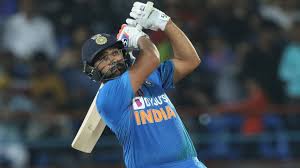
Rohit Sharma’s batting mesmerizes because it combines elegance with an almost scientific approach to timing. Watching him at the crease feels like observing a musician who knows exactly when to accent a phrase; every movement is measured, and each stroke arrives at the precise instant the ball becomes vulnerable. This article explores the elements of Rohit’s unique batting style and how his sense of timing underpins consistent success across formats.
Timing as Signature
At the core of Rohit’s technique is footwork that is deceptively simple. He uses minimal but decisive steps to get into position, relying on balance more than exaggerated movement. This conserves energy and maintains alignment with the ball’s trajectory, allowing him to play late and meet the ball under the eyes. Late hitting reduces risk and increases control, transforming power into precision. When aerial shots are required, the timing generates optimal bat speed with less effort, producing that effortless-looking boundary-hitting he is famous for.
Reading the Bowler
Equally important is his anticipation. Rohit reads bowlers early, picking subtle cues from release point, wrist position and run-up rhythm. This anticipatory skill shortens the decision window so his trigger is minimal and precise. He rarely flails at the ball; instead, subtle adjustments in bat angle and wrist position allow him to convert good length deliveries into scoring opportunities Anticipation paired with timing turns uncertain deliveries into scoring options rather than defensive liabilities.
Tempo and Adaptation
Rohit’s tempo management allows him to switch gears. He can anchor an innings or accelerate without losing timing because his rhythm is built on small, repeatable actions. Against spin he uses wrists and soft hands to manipulate pace; against pace he trusts late movement and loft selectively. This adaptability is a product of practice and a clear mental template of how he wants to construct an innings. Timing is thus not accidental but rehearsed under varied conditions.
Influence on Team Dynamics
Timing shapes not only individual scores but also team momentum. Rohit’s ability to rotate strike with soft hands or unleash boundaries at the right juncture relieves pressure on partners and forces bowlers to alter plans. Captains can build strategies around his rhythm, knowing that a well-timed surge can shift momentum. Moreover, his calm timing under pressure calms dressing room nerves; when a batter looks composed and in command, fielding sides sense a growing inevitability that influences game flow.
Ultimately, Rohit Sharma’s timing is a product of refined technique, constant rehearsal and an acute cricketing intelligence that reads situations as well as deliveries. It is the bridge between intent and execution: the place where awareness meets action. Young players studying his game should note how minimalism in movement creates maximum opportunity, how anticipation shortens decisions, and how rhythm permits controlled aggression. In an era when power is often prized, Rohit demonstrates that timing can be the truest form of power, converting patience into potency and turning moments into memorable innings that define matches and careers, leaving a lasting blueprint for future batsmen to emulate.