Women’s Cricket: The Role of Media in Promotion
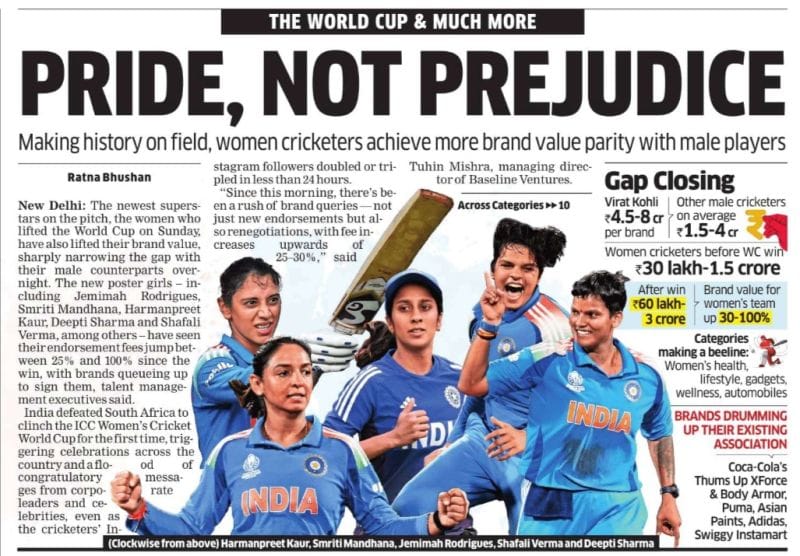
Media coverage has become a decisive force in shaping how women’s cricket is perceived and embraced across India. From national headlines to niche social platforms, the narratives spun by broadcasters, journalists and influencers determine not only visibility but also funding, fan engagement and young girls’ aspirations to take up the sport.
Visibility and Broadcast Reach
Television broadcasts and streaming services have amplified women’s cricket by bringing matches into living rooms and onto mobile devices. The launch of the Women’s Premier League (WPL) and increased telecasts of international fixtures created regular appointment viewing, helping build recognizable stars and consistent storylines. When games are scheduled on prime channels and promoted aggressively, they attract advertisers and sponsors who see commercial potential, fueling a virtuous cycle of investment and improvement.
Narrative Framing and Commentary
How commentators and journalists frame stories influences public perception deeply. Storylines that highlight skill, strategy and athleticism boost respect and legitimacy; conversely, tokenistic or gendered coverage reduces athletes to curiosities. Balanced commentary that contextualizes performances, explains tactics and celebrates milestones elevates the sport and educates new audiences, making matches more engaging for both hardcore fans and casual viewers.
Social Media and Direct Fan Engagement
Platforms such as Twitter, Instagram and YouTube give players direct channels to build personal brands and bypass traditional gatekeepers. Viral clips, behind-the-scenes content and intimate interviews humanize athletes and create emotional connections. Social media also democratizes criticism and praise: fans can mobilize trending conversations that compel mainstream media to pay attention, while constructive storytelling by creators expands the reach to younger demographics.
Impact on Sponsorship and Grassroots Development
Consistent media attention attracts sponsors who fund leagues, facilities and player development programs. Corporate partnerships fund academies, scouting and coaching clinics, which are crucial for transforming media interest into long-term growth. Moreover, when young girls see professional coverage of women cricketers, they are likelier to imagine a viable career in the sport, widening the talent pipeline across India’s cities and villages.
Still, challenges remain: unequal airtime compared to men’s cricket, stereotyping in features, and limited resources for regional languages. Media houses can accelerate progress by committing to equitable scheduling, investing in female sports editors and amplifying stories from underrepresented regions. Collaborations between broadcasters, publishers and governing bodies can create coherent content strategies that prioritize depth over spectacle.
Ultimately, the media’s role is both mirror and amplifier — reflecting existing interest while creating new demand. Thoughtful, sustained coverage can change perceptions in Indian society, repositioning women’s cricket as a mainstream sporting and cultural phenomenon and inspiring the next generation of players, fans and stakeholders to engage with the game in meaningful ways.