The Rise of Women's Cricket in India
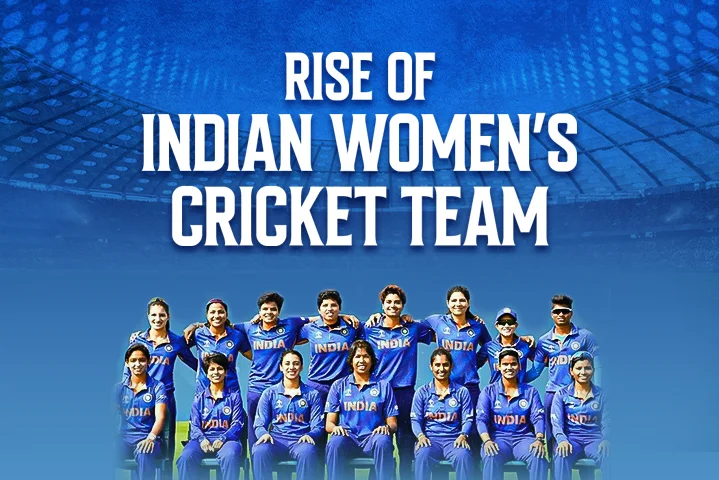
India’s women’s cricket has experienced a remarkable surge in popularity over the last decade, driven by improved performances, greater media exposure, and growing public support. Fans across the country are increasingly tuning in to domestic leagues, international fixtures, and grassroots tournaments, while young girls see professional cricket as a viable career path. This cultural shift reflects both sporting progress and changing social attitudes toward women in athletics.
A New Era of Success
Recent international successes have played a central role in elevating the profile of women’s cricket. Memorable World Cup runs, breakthrough series victories, and standout individual performances have produced national heroes whose stories inspire millions. High visibility at major events has attracted sponsors and broadcasters, creating more financial stability for players and greater investment in coaching and facilities.
Domestic Growth and the League Effect
The emergence of structured domestic competitions and the prospect of professional franchise leagues have transformed the development pipeline. Improved scouting and youth programs ensure talent is identified earlier, while competitive domestic tournaments provide vital match experience. The potential launch and expansion of a women’s T20 league in India promises to emulate the commercial and developmental benefits seen elsewhere, offering exposure, steady incomes, and a platform for young stars to flourish.
Challenges Remain
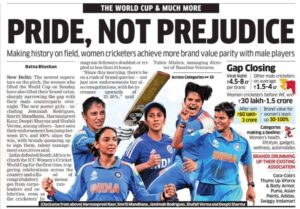
Despite progress, obstacles persist. Infrastructure disparities, limited access to quality training in rural areas, and lingering social barriers reduce the talent pool. Media coverage, although improving, still lags behind the men’s game in quantity and depth. Institutional support has grown but requires sustained commitment from governing bodies, sponsors, and broadcasters to maintain momentum and address inequality in pay and resources.
The Role of Community and Education
Community initiatives, school programs, and role models are critical to widening participation. Advocacy for inclusive policies, scholarships, and safe sporting environments helps nurture talent from diverse backgrounds. Mentorship programs linking established international players with aspiring youngsters reinforce professional pathways and emphasize education alongside sporting ambition.
Looking ahead, strategic partnerships among cricket boards, corporate sponsors, media outlets, and educational institutions will be essential. Investment must target grassroots outreach, coaching networks, and league structures that create sustainable careers. Equally important is celebrating female athletes and normalizing female sporting excellence in mainstream narratives.
When young players gain access to facilities, mentoring, and competitive opportunities, the entire ecosystem benefits: higher standards, greater fan engagement, and stronger national teams. The momentum behind women’s cricket in India signals a transformative moment, not only for sport but also for gender equality and social change. Continued attention to infrastructure, fair compensation, and consistent media representation will determine whether recent gains translate into long-term success and a truly inclusive sporting future for generations to come.
Grassroots programs that combine sports skills with life coaching, health education, and career planning can help build resilient athletes prepared for professional demands. Media campaigns that humanize players and community events that celebrate local champions will deepen emotional investment. As stakeholders align resources with ambition, women’s cricket in India can become an emblem of empowerment and national pride for decades ahead.