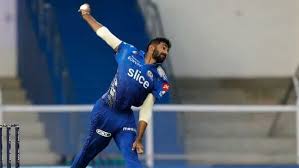
The Impact of IPL on Indian Cricket
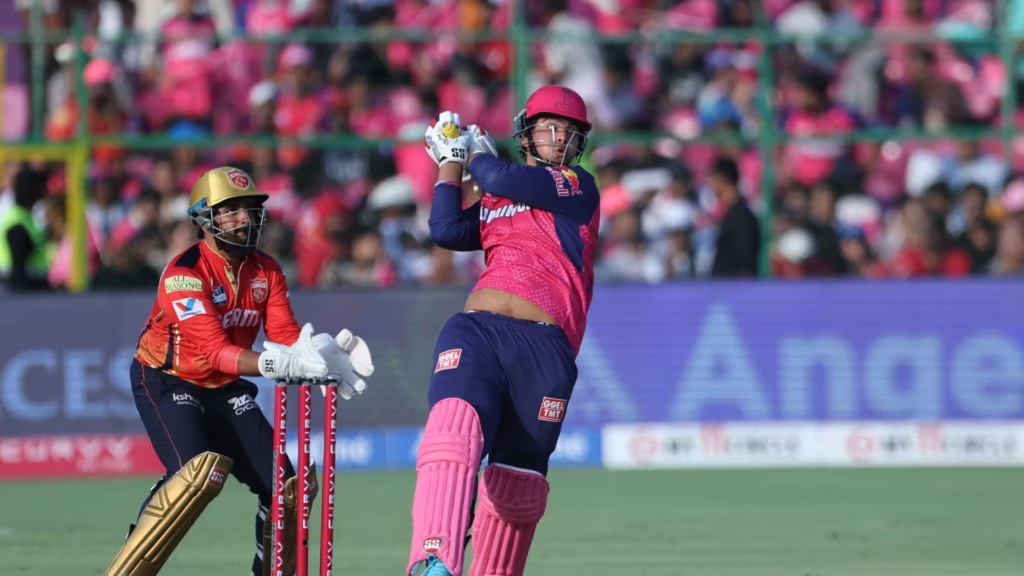
The Indian Premier League (IPL) has reshaped Indian cricket by creating a high-stakes environment where talent, strategy and entertainment converge. Over the past decade and a half, the tournament has offered a platform for young players to accelerate development, pushed the national team to adapt faster to modern formats, and transformed coaching, analytics and infrastructure within the country.
Rapid Talent Identification
Scouts and franchise scouts monitor domestic circuits, under-19 tournaments and local leagues, but the IPL compresses opportunities into a visible stage where performance under pressure is rewarded immediately. Young players who once waited years gain exposure to international stars and experienced mentors, learning advanced techniques, situational awareness and fitness standards simply by sharing dressing rooms and training sessions.
Modernizing the National Approach
At the national level, selectors and coaches have incorporated IPL data and observations into selection decisions. The emphasis on power-hitting, agile fielding and specialized bowling in T20 cricket influenced training camps and selection panels, making India more adaptable across formats. Players who prove temperament and versatility in the IPL often carry those lessons into international cricket, where adaptability can turn close contests into wins.
Franchise Investment and Coaching
Franchises invest heavily in coaching staff, sports science and facilities, exporting best practices to regional academies. International coaches and support personnel bring tactical diversity, while mentorship from global stars accelerates learning curves for youngsters. This ecosystem creates professional pathways that reduce attrition and elevate domestic standards, strengthening the pipeline feeding the national team.
Commercial and Psychological Effects
Commercial rewards and media scrutiny add pressure but also provide financial security that allows players to focus on cricket full time. The IPL’s spotlight fosters mental resilience; playing in packed stadiums and under broadcast review tests temperament. Conversely, there is the risk of burnout and format specialization, prompting boards to manage workloads and preserve long-term careers.
Data, Analytics and Strategy
Advanced analytics used by franchises influence match preparation at national level. Player tracking, pitch analysis and opposition scouting have become integral to strategy. Young cricketers learn to interpret performance metrics early, aligning training priorities with data-driven insights that improve decision-making. The trickle-down effect of analytical sophistication helps India compete tactically across conditions.
Challenges and Balance
Balancing T20 glamour with Test and ODI commitments remains a challenge. Selectors must evaluate players’ long-form technique alongside explosive skills, ensuring the national team retains depth for all formats. Domestic competitions and A tours play a critical role in preserving red-ball skills, while IPL experience enhances limited-overs readiness, making a coordinated approach essential for sustained success.
Ultimately, the IPL acts as accelerator and amplifier: it speeds skill development for promising players and spreads improvements across coaching, fitness and tactical planning. Guided responsibly by administrators and coaches who value growth, the league’s commercial success becomes an asset for Indian cricket. Dialogue between franchise innovation and national planning creates pathways for talent while protecting formats. As young cricketers rise through this system, the task is to harness opportunities without losing technique, keeping India competitive and resilient at every level.