Rohit Sharma: Captaincy Under Pressure
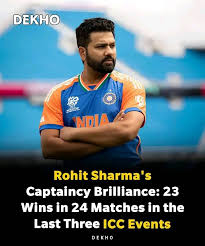
Rohit Sharma’s leadership during the recent T20 series against South Africa provided a revealing study in captaincy under pressure, blending calm decision-making with rapid adjustments in a high-stakes environment.
The series arrived after a busy international calendar and heightened expectations for India to dominate; opponents were well prepared, and every small tactical choice was amplified by intense media scrutiny.
Sharma’s style — measured, communicative, sometimes conservative — faced its sternest test as pitch conditions varied and South African players seized early momentum.
Early in the series, field placements and bowling changes drew criticism when wickets were slow to fall; critics highlighted two or three over-persistent captaincy patterns that seemed to invite opposition recovery.
Despite that, Rohit displayed adaptability, embracing risk when required, promoting part-time options and timely bowling rotations that exploited match-ups rather than rigid roles.
His batting, though less central than his leadership, reinforced his presence as a leader who leads by example, stepping up in crucial moments and stabilizing innings when required.
Off the field, man-management mattered. Sharma had to balance senior voices with emerging talents, calming egos while ensuring clarity on roles as the series momentum swung unpredictably.
The pressure of selection debates and public expectations forced choices that were as psychological as they were tactical; trusting young players while retaining experienced ones became a delicate exercise in leadership psychology.
Communication with the coaching staff and open dialogue in the dressing room appeared decisive; visible unity helped the squad recover after narrow defeats and maintained belief during tight chases.
Tactical nuance emerged in powerplay approaches and death over plans; Rohit and his support staff adjusted batting orders and bowling sequences night by night, showing a flexible playbook tailored to South African strengths.
Fielding placements signaled intent more than they always delivered results, but the willingness to back unconventional moves demonstrated a captain prepared to innovate under duress.
Not all choices worked, and cricket’s margin for error at T20 speed is tiny; a dropped catch or an over that leaked runs can quickly morph into a crisis for a captain judged on outcomes rather than intent.
Handling criticism in public forums required a composed temperament, and Rohit’s measured media interactions reflected an understanding that maintaining focus within the team mattered as much as external narratives.
Leadership under pressure also meant nurturing confidence, particularly among younger players exposed to hostile conditions; quick positive reinforcement and clear role definition helped maintain individual resilience.
Looking ahead, the series offered lessons: sharpening decision triggers, refining contingency plans for spinning and seaming surfaces, and balancing aggression with strategic restraint.
The experience reinforced that modern T20 captaincy demands a blend of tactical intelligence, emotional management, and an ability to recalibrate in-game strategy without losing long-term vision.
Ultimately, Rohit Sharma’s stewardship during the South Africa series illustrated the complexities of leading a star-studded side in compressed formats—faltering at times, inventive at others, but consistently focused on extracting the best from his resources. The way he adapts now will shape perceptions and future team outcomes indeed.