India’s Road to the ODI World Cup
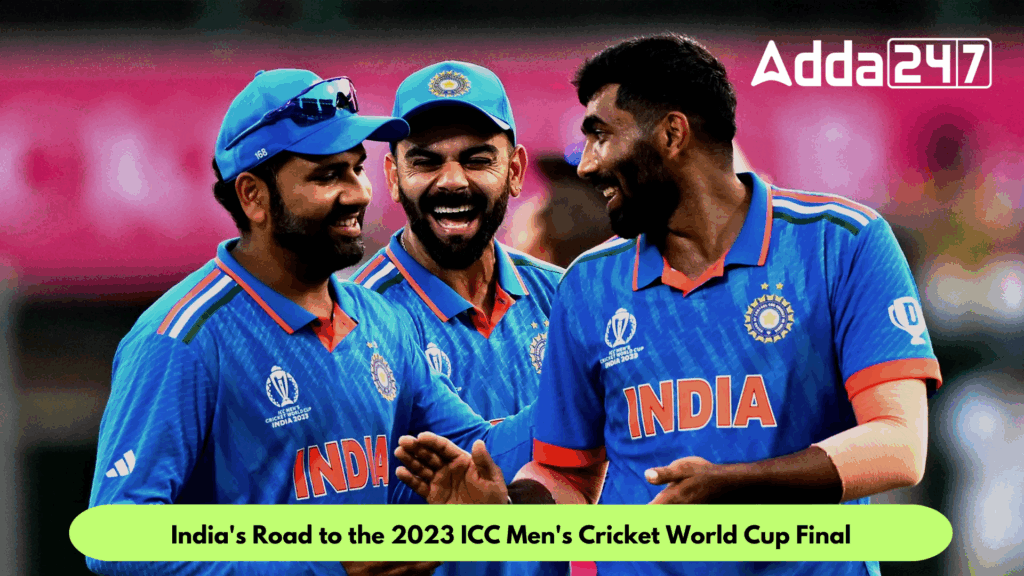
India approached the lead-up to the 2023 ODI World Cup with a blend of meticulous planning and adaptable tactics. Preparations were rooted in a clear recognition of home advantage — familiar pitches, supportive crowds and a season that allowed for controlled scheduling. The coaching staff and selectors prioritized building a squad that could exploit varied subcontinental surfaces while remaining resilient under pressure.
Squad balance and selection strategy
Selection conversations revolved around balance: ensuring enough pace for deceptive bounce on some venues, a strong spin contingent for slow wickets, and a batting lineup capable of both explosive starts and stabilizing partnerships. The team management favored players with proven white-ball credentials, but they didn’t shy away from introducing young talents who displayed composure and match awareness in domestic and international limited-overs cricket.
Workload management and fitness
Fatigue and injury prevention were central to India’s plans. A rotation policy for senior players during the lead-up series and selective rest for those with heavy schedules helped maintain fitness. Strength and conditioning programs were individualized, with an emphasis on recovery, concussion protocols, and workload monitoring through sports science metrics. This reduced injury risk and aimed to ensure peak performance during the tournament window.
Tactical planning and match simulations
On-field tactics were rehearsed through scenario-based training sessions: defending small totals, chasing under lights, and countering spin-heavy attacks. The coaching team simulated death-over situations, powerplay strategies and middle-over control with spinners. Batting coaches emphasized strike rotation and situational awareness to avoid collapses, while bowlers worked on variations — cutters, slower balls and precise lines to stifle scoring in critical phases.
Data, scouting and venue-specific preparation
Analytics played an increasingly prominent role. Data teams provided granular insights into opposition tendencies, individual batter weaknesses and the scoring patterns on each potential hosting venue. This informed both selection and in-match tactics, dictating which bowlers to use in specific overs and which batting matchups to exploit. Net sessions were tailored to recreate expected pitch behaviors at key grounds.
Leadership and communication were also sharpened: the captain and senior players were involved in strategy meetings to ensure cohesive on-field decision-making. Emphasis on fielding was relentless, with drills designed to save 10–15 runs per match through tighter boundary work and quicker throws. Mental conditioning coaches worked on pressure handling, helping players visualize high-stakes scenarios and maintain composure.
Warm-up matches and a measured international calendar allowed the team to test combinations and adapt rapidly. Practice matches gave young players a proving ground while providing clarity on roles for the final eleven. Crucially, the plan remained flexible — prepared to tweak tactics game-by-game rather than adhering to a rigid blueprint. This adaptability, combined with meticulous preparation, aimed to make India not only favorites on paper but a team equipped to navigate the unique pressures of a World Cup hosted at home, blending skill, strategy and resilience into a coherent campaign.