India's Cricketing Rivals: A Historical Perspective
India’s cricketing rivalries stretch across decades, blending sport, history, and national identity. From early encounters with England to modern clashes with Pakistan and Australia, these rivalries have shaped how the game is played and perceived in India and beyond.
Historic roots and colonial beginnings
Cricket arrived in India under British colonial rule, and early contests against England carried more than athletic stakes. They symbolized a cultural exchange and created a platform where Indian players gradually proved their skill and resilience. The Ashes-style reverence for Test cricket later enabled India to nurture rivalries that combined competitiveness with a desire to assert national pride.
India versus England: tradition and respect
The England-India relationship is rooted in the oldest formats of the sport. Test series and tours established traditions that endured for generations. While respect and sportsmanship often characterize encounters, memorable matches and individual performances have provided dramatic moments that keep the rivalry relevant. England’s tactics and India’s spin legacy have produced strategic chess matches on slow pitches and fast wickets alike.
India versus Pakistan: politics on a cricket pitch
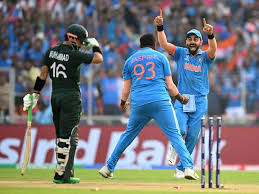
No rivalry captures global attention like India versus Pakistan. Political tensions amplify every delivery, and these matches draw massive television audiences and emotional investment. Encounters in World Cups and bilateral series carry enormous symbolic weight; victories and defeats resonate far beyond the stadium. Players often face unique pressure to perform, and moments of brilliance create lasting memories for both nations.
India versus Australia: intensity and mutual respect
The rivalry with Australia evolved into a fierce, competitive relationship especially in Tests. The Border-Gavaskar Trophy became a marquee contest that highlighted contrasting styles: Australia’s aggressive pace and India’s mastery of spin and home advantage. Series victories on foreign soil and dramatic comebacks have deepened the rivalry and raised standards for both teams.
Other notable rivalries
Encounters with the West Indies, South Africa, Sri Lanka, and New Zealand have each contributed to India’s growth. West Indies once dominated global cricket and provided early lessons in confronting pace and flair. South Africa posed new challenges after readmission, while Sri Lanka and New Zealand have produced tactically rich contests across formats.
Impact on formats, fans, and the sport
These rivalries shaped the evolution of Test, One-Day International, and T20 cricket in India. They influenced scheduling, broadcast priorities, and the commercial growth that underpins the Indian Premier League and international fixtures. Fan culture thrives on these contests: packed stadiums, passionate chanting, and social conversations that turn cricket into a shared national drama.
Over time, rivalries forged through history, politics, and sporting excellence have defined India’s cricketing identity. They continue to inspire players and fans, ensuring that every contest carries the weight of legacy as well as the excitement of uncertain outcomes. They remind us that cricket is more than a scoreboard; it is a narrative of skill, rivalry, and evolving sportsmanship that will continue to shape generations and diplomatic gestures, fostering moments of unity and fierce competition across the subcontinent and the wider cricketing world for generations ahead steadily.