The Role of Coaches in Modern Cricket
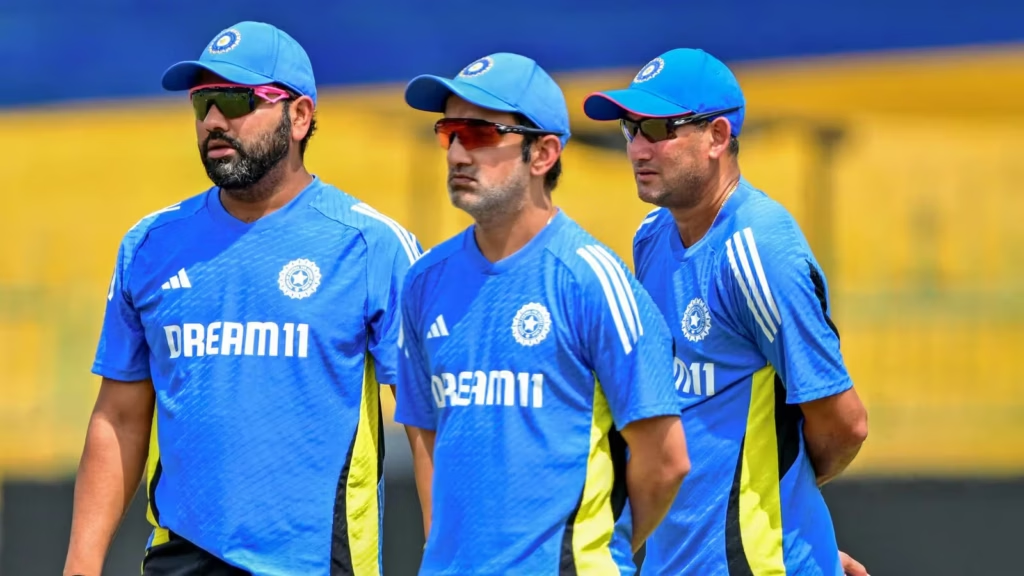
In India, cricket coaching has evolved into a sophisticated blend of tradition and innovation, shaping players from grassroots to international level. Coaches influence technical skills, mental resilience, and tactical understanding, acting as architects of individual careers and collective success. Their role extends beyond nets and drills; it includes mentorship, performance analysis, and building a culture that sustains excellence.
Coaching philosophies and methods
Coaches in India adopt varied philosophies, combining classical techniques with modern sport science. Many emphasize adaptive coaching that suits a player’s temperament and role, whether opening batters or death bowlers. Emphasis on fundamentals remains, but increasingly coaches integrate biomechanics, nutrition and workload management to prolong careers and minimize injuries.
Developing talent pathways
Structured academies and age-group programs have proliferated across India, offering clear progression routes. Coaches identify potential early, focusing on technique, decision-making and temperament. Talent scouts and former players increasingly collaborate with coaches to refine selection criteria, ensuring a balance between raw talent and match temperament.
Impact on team performance
At the domestic and international levels, coaching strategies shape team identity. Coaches craft game plans, instill discipline and foster adaptability for different conditions, from spinning tracks in India to bouncy pitches abroad. The analytical era has empowered coaches with data to optimize field placements, bowling changes and batting orders, converting insights into competitive advantage.
Mental conditioning and leadership
Modern coaching places equal weight on psychological preparation. Sports psychologists and mental conditioning coaches work alongside head coaches to build resilience, focus and coping strategies under pressure. Leadership grooming is crucial; coaches mentor captains and senior players to communicate effectively and make swift tactical decisions while maintaining team morale.
Technology and analytics have democratized access to high quality coaching resources. Mobile apps, video analysis and remote consultations allow young players from smaller towns to receive guidance previously limited to metropolitan centers. This widening access is transforming the talent pool and challenging coaches to adapt methods for diverse environments.
The coach-player relationship in India often extends into mentorship off the field. Trusted coaches act as career advisors, helping players manage fame, finances and public scrutiny. Establishing a culture of continuous learning and humility remains a hallmark of successful programs, enabling teams to sustain performance across formats and generations.
Challenges persist: frequent coaching changes, commercial pressures from leagues, and the need to balance short term results with player development. The Indian Premier League has both raised standards and complicated coaching roles, requiring management of diverse international squads and tight schedules while nurturing domestic talent.
Looking ahead, developing certified coaching programs and investing in coach education will be vital. Indian cricket benefits when coaches are encouraged to innovate, share best practices and prioritize long term athlete welfare. Collaboration between national boards, private academies and educational institutions can create a sustainable ecosystem where coaches are valued as knowledge leaders.
When coaching is treated as a profession, not just a role, Indian teams gain stability, continuity and a pipeline of resilient players equipped to excel on the global stage under clear, consistent guidance. Together.