The Evolution of Cricket in India
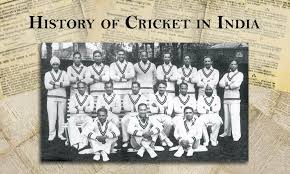
Cricket in India has traveled a remarkable path from a colonial pastime to a national obsession, reflecting social, political, and technological shifts. The game’s story in the subcontinent interweaves British influence, indigenous adoption, institutional growth, and mass commercialization. Understanding this evolution requires tracing five key phases: introduction and adaptation under colonial rule, institutional consolidation in the early twentieth century, post-independence expansion, the rise of limited-overs formats, and the modern era of franchise cricket and digital transformation.
Colonial Beginnings and Local Adoption
Introduced by British regiments in the eighteenth and nineteenth centuries, cricket initially functioned as a tool of imperial recreation. Indian princes and merchant communities soon embraced the sport, forming clubs in Bombay, Calcutta, and Madras. Early matches between Europeans and Indian teams carried political undertones, but they also fostered a unique hybrid culture where local styles and strategies emerged. Matches became arenas for asserting identity and competence, laying the groundwork for a rising pool of native talent.
Institutional Growth and Domestic Competitions
The establishment of organized tournaments such as the Bombay Quadrangular and later the Ranji Trophy consolidated cricket’s domestic structure. Regional associations, better administrative frameworks, and the Board of Control for Cricket in India provided platforms for talent identification and competition. The Ranji Trophy, inaugurated in 1934, became the backbone of Indian first-class cricket, nurturing players who would eventually shape the national team’s character and technique.
Post-Independence Consolidation
After independence, cricket evolved as a unifying cultural force in a diverse nation. Infrastructure investments, educational institutions, and media coverage broadened the sport’s reach. Tours by international teams and India’s gradual rise in Test cricket elevated national pride. The 1971 victories in the West Indies and England signaled India’s arrival as a competitive cricketing nation, even as amateur status and limited resources posed ongoing challenges.
The One-Day Revolution
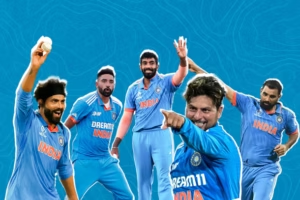
The advent of limited-overs cricket transformed playing styles and spectator expectations. India’s 1983 World Cup win under Kapil Dev demonstrated how a collective spirit and adaptable strategies could yield global success. One-day cricket demanded new fitness regimes, tactical flexibility, and an emphasis on power-hitting and fielding innovation. Broadcasting growth turned cricketers into national celebrities and deepened public engagement.
Franchise Era and Technological Change
The launch of the Indian Premier League in 2008 redefined cricket’s economics and formats. Franchise structures introduced player auctions, global talent exchange, and lucrative commercial deals. Simultaneously, technology reshaped the game: DRS, Hawk-Eye, and advanced analytics influenced decision-making on and off the field. Social media and streaming expanded audiences, creating new revenue streams and fan interactions.
Women’s Cricket and Grassroots Development
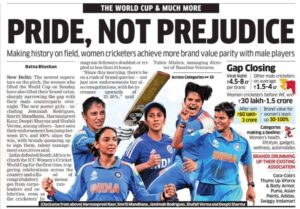
In recent decades, women’s cricket has gained visibility and support, producing marquee performers and improving competitive depth. Grassroots programs, academies, and corporate sponsorship have widened access, while improved coaching and facilities have helped democratize talent discovery across regions.
As cricket in India adapts, its evolution reveals a balance between tradition and innovation. The sport is an arena where history, identity and modern aspirations intersect, promising chapters shaped by technology, inclusivity and a passionate fan base that reinvents the game.