Injury Updates: Key Players Missing from Action
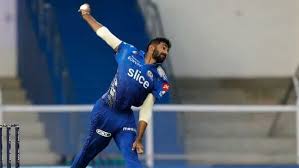
In recent weeks several top athletes have been sidelined with injuries forcing teams to adapt quickly to a shifting roster and changing strategies. Frontline stars who typically define game plans are absent, and coaching staffs have scrambled to redistribute minutes, simplify schemes, and call upon younger players to step into larger roles.
Injury Timeline and Current Status
Medical updates arrive on different schedules but the pattern is consistent: muscle strains, ligament sprains, and concussion protocols have sidelined marquee names for anywhere from a few games to indefinite periods. Teams are transparent when they can be, but often tentative terminology like day to day and week to week leaves fans guessing.
How Coaching Staffs Are Responding
Coaches are emphasizing versatility and situational preparation. Lineups that previously prioritized star creation now prioritize balance and defensive cohesion. Rotations lengthen to preserve energy but also to identify undervalued contributors. Tactical adjustments include more ball movement, simplified offensive reads, and increased use of timeouts to manage momentum shifts.
Emerging Players and Youth Opportunities
With leading scorers or playmakers out, younger roster members are receiving meaningful minutes and accelerated development opportunities. These moments often reveal unexpected talents who thrive under pressure and earn trust through efficiency rather than flash. Front offices monitor these runs closely, weighing long term potential against immediate needs when evaluating future contracts or rotations.
Medical Teams and Recovery Protocols
Medical staffs are doubling down on prevention and individualized recovery plans. Advanced imaging, targeted therapies, and load management protocols are used to reduce reinjury risk. Communication between trainers, physicians, and coaches has become more frequent and structured, ensuring that return to play decisions favor athlete safety while balancing competitive demands.
Data analytics also play a growing role in decision making. Wearable tracking provides real time insights into fatigue, workload, and biomechanical stressors that correlate with injury risk. Teams integrate this data with traditional assessments to customize practice intensity and recovery windows, attempting to keep the roster available when it matters most.
Transparency with fans and media has become delicate balancing act. Teams want to avoid overexposing medical matters while still providing enough clarity to manage expectations. Fans adjust their outlook as narratives shift from doom and gloom to cautious optimism when replacements produce positive results.
In the long run injuries can accelerate roster turnover and influence offseason priorities. A season with significant absences may prompt front offices to seek depth via trades, free agency, or the draft. Conversely, young players who blossom during adversity can alter a team’s trajectory and offer cost effective building blocks.
Ultimately the resilience of a team is measured by its response to setbacks more than by the absence of star power. Coaching creativity, medical diligence, and player accountability combine to keep competitive goals alive while protecting long term health. As rosters evolve through injury and recovery, organizations that prepare for adversity and cultivate next wave contributors tend to emerge stronger and more adaptable.
Fans and analysts will watch recovery timelines closely, but the real storyline is how teams build depth and sustain culture when key figures momentarily step away. Youth development, smart rotation, and medical prudence define successful responses.