Key Takeaways from the Recent Test Series
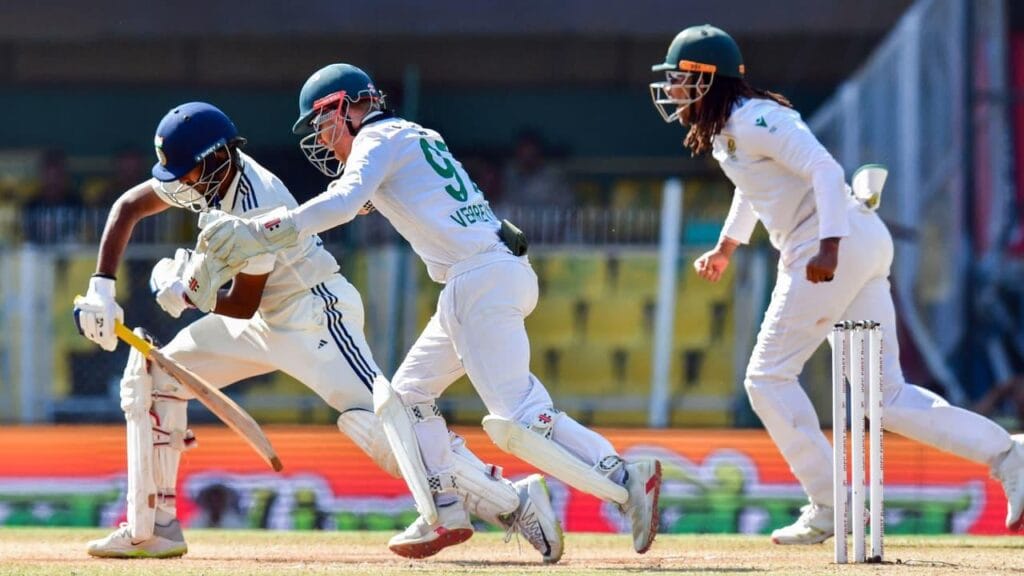
The recent Test series delivered a compelling mix of traditional red-ball tactics, raw individual brilliance and definitive team strategies that reshaped expectations for both the men’s and women’s sides involved. Across varied pitches and shifting weather, a handful of players rose to the occasion while captains and coaches adapted plans that will influence selection and preparation for months to come.
Series Overview
Conditions varied widely between venues, clearly testing adaptability and squad depth. Coaches rotated specialists and prioritized match simulations in practice, replicating late-session scenarios. Fans witnessed conservative game management and bold declarations that shaped results, underlining that preparation, patience and the ability to seize fleeting advantages remain central to Test success.
Men’s team: Batting resilience and leadership
Top-order stability emerged as a defining feature for the men’s team, with two batters compiling long, patient innings under pressure. Their ability to rotate strike and build partnerships negated the potency of aggressive bowling spells, allowing middle-order hitters to accelerate later. Notably, a young left-hander cemented his place with a technically sound century on a seaming green pitch, suggesting a temperament suited to diverse conditions. The captain’s decision to promote a pinch-hitter in the fourth innings sparked debate but ultimately forced the opposition into defensive fields, demonstrating tactical flexibility.
Bowling battles and small margins
Fast bowlers dominated with disciplined lines and lengths, exploiting reverse-swing late in innings. A senior pacer returned to form with a series of clutch wickets, using subtle variations and strategic follow-through to break stubborn partnerships. Spin was influential on deteriorating tracks, with a part-time spinner producing a surprise haul that shifted momentum in one Test. The series underlined how fine margins — a dropped catch here, a missed umpiring call there — can swing outcomes in tight contests.
Women’s team: Aggression and depth
The women’s team showcased an aggressive brand of Test cricket, blending attacking intent with classical technique. Opener partnerships provided strong starts, while middle-order players displayed a willingness to press the accelerator when conditions permitted. A standout all-rounder offered consistent contributions with bat and ball, anchoring chases and providing crucial overs that stifled opposition scoring rates. Fielding standards improved noticeably, with athleticism and sharp catching reducing easy runs.
Young talents and experience
Emerging players made immediate impacts, with a teenage spinner producing clever variations and control beyond her years. At the same time, experienced campaigners lent calm during tense moments, guiding younger teammates and making critical tactical calls. This blend of youth and experience promises a sustainable pipeline of talent for future long-format success.
Tactical learnings and preparation
Teams that prepared meticulously for pitch behavior and remaining flexible with batting orders often enjoyed the upper hand. Fitness and rotation policies reduced fatigue over multi-day contests, enabling bowlers to maintain intensity across long spells. Analytics played a subtle role, with opposition weaknesses identified and exploited through targeted field placements and bowling plans.
Ultimately, the series reaffirmed the enduring appeal of Test cricket: pure skills, mental resilience and strategic nuance. Standout performances across both men’s and women’s teams highlighted depth in talent and adaptive leadership, leaving selectors and fans eager for the next chapter as squads refine their approaches and nurture emerging stars.