The Future of Women’s Cricket in India
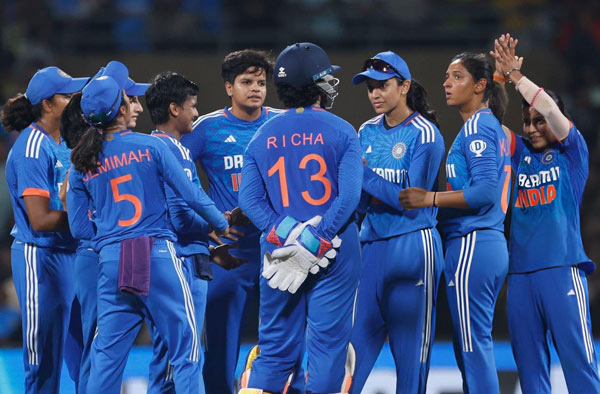
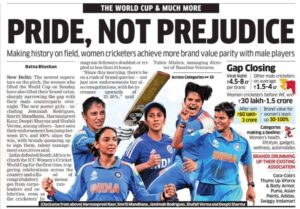
India’s women’s cricket has entered a transformative era, driven by increased investment, broadcast visibility, and a surge of talented young players. Grassroots programs and state-level academies are producing technically proficient athletes who combine athleticism with tactical acumen. Greater media coverage and streaming accessibility have turned promising domestic performances into national sensations, inspiring a new generation of fans and future cricketers.
Structural Growth and Investment
Significant financial commitments from boards and private leagues are creating sustainable pathways for female cricketers. The expansion of domestic tournaments and better pay structures mean athletes can pursue cricket professionally without compromising education or well being. Enhanced coaching, sports science support, and improved facilities at academies are raising standards and narrowing the gap between domestic and international competition.
Emerging Talent and Skill Development
A wave of young players with refined technique and mental resilience is reshaping team dynamics. Fast bowlers with pace, spinners with clever variations, and batters who rotate strike with consistency are all part of a balanced talent pipeline. Talent scouts and specialized academies are identifying prospects earlier, offering tailored training regimes that emphasize skill acquisition, match awareness, and physical conditioning.
Role of Domestic Leagues and Exposure
Domestic leagues serve as crucibles for talent, delivering high pressure environments that simulate international intensity. Increased television coverage and targeted marketing campaigns have elevated the profile of domestic matches, attracting sponsorship and fan engagement. This ecosystem supports player development through regular competitive exposure and helps selectors make data driven decisions based on performance metrics.
Grassroots Initiatives and Community Support
School programs, community clubs, and NGO led initiatives are widening the talent pool by reaching girls in non traditional cricketing regions. Scholarships, mentorship programs, and gender inclusive coaching clinics are breaking cultural barriers and encouraging families to support athletic pursuits. Community engagement not only nurtures skill but also builds confidence, giving young women a platform to aspire beyond conventional roles.
Technological innovation is also influencing talent identification and preparation. Video analysis, wearable sensors, and performance analytics are increasingly accessible, helping coaches fine tune technique and manage workload. Nutrition and mental conditioning are integrated into training, cultivating athletes who are physically prepared and psychologically resilient for long careers.
International collaboration and exposure tours offer invaluable experience, allowing emerging players to adapt to diverse conditions and playstyles. Success at under age levels and A team tours often translates into readiness for the senior stage. When selectors prioritize consistent performance and potential, the national team benefits from a steady influx of adaptable players.
While challenges remain—such as ensuring equitable resource distribution across regions and maintaining pathways for late bloomers—the trajectory points to sustained growth. As professional opportunities expand and role models emerge, young athletes see cricket as a viable and rewarding career. The combination of institutional support, technological tools, and a passionate fan base suggests that India will continue to produce world class female cricketers who can dominate on multiple formats and inspire future generations. Their rise promises cultural change and a more inclusive sporting landscape for decades to come globally.