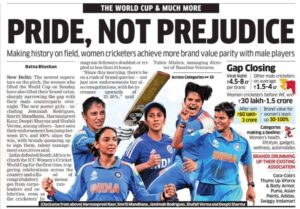
Women’s Cricket: The Path to Professionalism
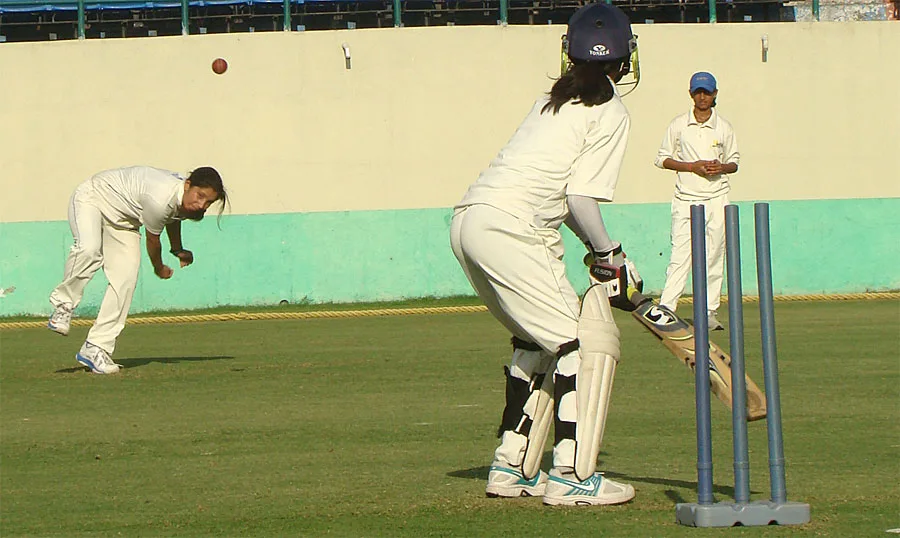
Women’s cricket in India has moved from informal beginnings to a structured push toward professionalism. Over the past decade, policies, investment, and changing social attitudes have accelerated opportunities for female athletes. Players, administrators, sponsors, and broadcasters are aligning efforts to build sustainable careers, competitive leagues, and pathways for grassroots talent. This article examines the key steps and challenges shaping professional women’s cricket in India.
Historical Context and Early Steps
India’s women played sporadically for decades, often without consistent domestic structures or remunerated contracts. The formal recognition by national boards, expansion of domestic tournaments, and the introduction of retainer contracts were foundational. Early central contracts offered financial security to a handful of players, allowing them to train full time and access better coaching, medical care, and travel opportunities. Such steps reduced attrition and encouraged young talent to pursue cricket professionally.
Professional Leagues and Tournament Growth
Establishing competitive domestic leagues has been crucial. Franchise-based models promise higher salaries, broader media exposure, and centralized marketing that attracts sponsors. Pilot tournaments helped demonstrate commercial viability, while partnerships with broadcasters increased live coverage and streaming. When leagues scale carefully, they create calendar stability, better player workloads, and sponsorship deals that extend beyond marquee names to domestic performers, thereby professionalizing the entire ecosystem.
Investment, Facilities, and Coaching
Upgrading training centers, sports science support, and access to quality pitches matter for long term success. Investment from boards and private sponsors funds academies and scholarship programs. Professional coaches with international experience help refine technique and tactical awareness. Strength and conditioning staff, physiotherapists, and mental conditioning experts contribute to player longevity and performance, making a team environment comparable to men’s professional squads.
Pathways, Grassroots, and Inclusion
Expanding school and district level competitions widens the talent pool. Scholarships, talent scouts, and clear progression from underage teams to senior contracts reduce barriers. Inclusion policies addressing regional diversity, socio-economic accessibility, and gender norms encourage wider participation. When young players see viable role models and receive consistent support, the likelihood they commit to cricket as a career increases substantially.
Media representation and equitable broadcasting deals play a decisive role. Increased live telecasts, feature stories, and player profiles create commercial interest and fan engagement. Brands that align with women’s sport invest in campaigns highlighting skill, resilience, and community impact. Transparent governance, standardized pay scales, and collective bargaining mechanisms protect player rights and ensure that revenue growth translates into improved wages, health insurance, and retirement planning for women cricketers.
Cultural shifts that value women’s sport equally are critical to sustaining progress. Role models on and off the field inspire families and communities to support aspiring players. Educational initiatives that promote physical education for girls, corporate partnerships that invest in talent development, and policy reforms that mandate equitable resource allocation all contribute to a resilient system. If stakeholders maintain a long term vision, balancing commercial objectives with athlete welfare, women’s cricket in India can mature into a fully professional ecosystem that rewards excellence and broadens national sporting pride. Fans, families, communities, and stakeholders all have roles.